Biography
Louis Kahn brought a monumental, almost archaic gravity back to modern architecture — buildings that feel weighted with silence and shaped by light.
Working from Philadelphia, Kahn came to prominence relatively late, but his mature work redefined what modern institutions could feel like. In South Asia he produced two of the twentieth century's essential buildings: the IIM Ahmedabad campus in India and the National Assembly at Dhaka in Bangladesh. Both use brick and concrete not as cladding but as structure honestly expressed, and both treat daylight as the primary building material.
Architectural philosophy
Kahn distinguished between "served" and "servant" spaces, gave materials their own voice ("what does the brick want to be?"), and pursued light as the maker of all form. His Indian work adapts these ideas to heat and glare — deep openings, thick mass and shaded circulation — influencing a generation of architects seeking a modernism rooted in place.
Major works in India
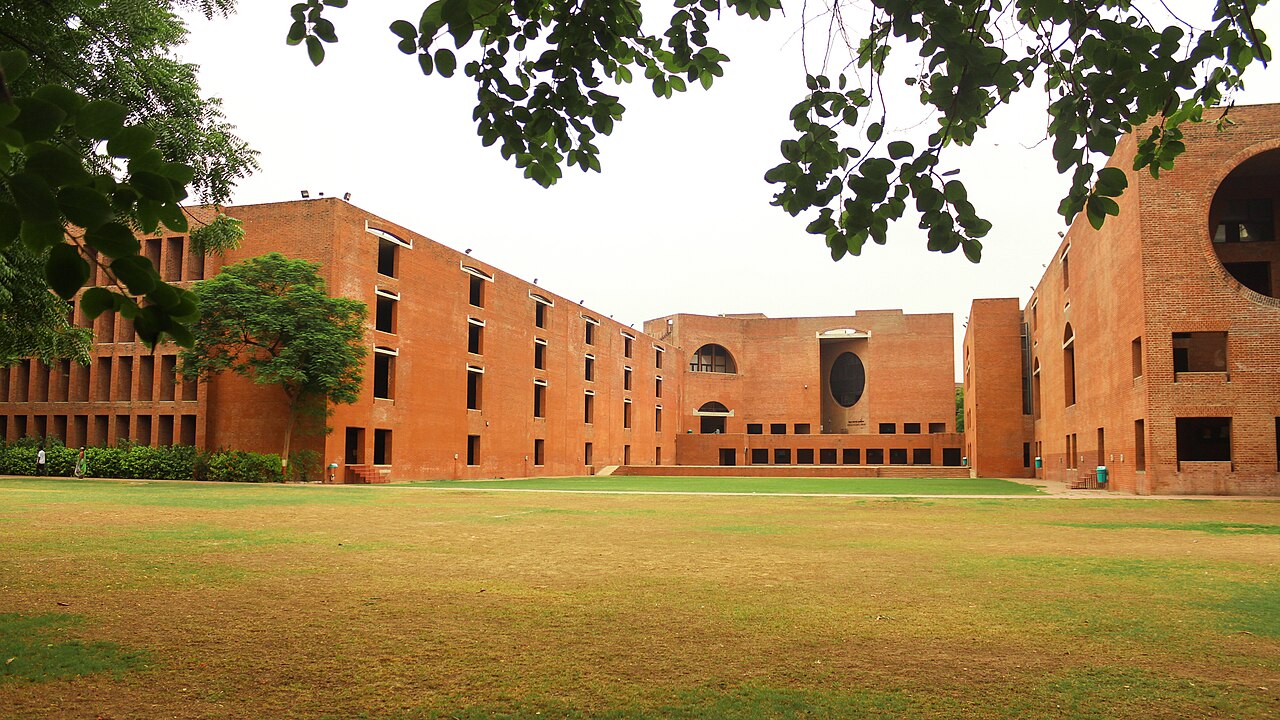 1974 · Ahmedabad◈
IIM Ahmedabad
His brick city of learning — a pilgrimage for architects.
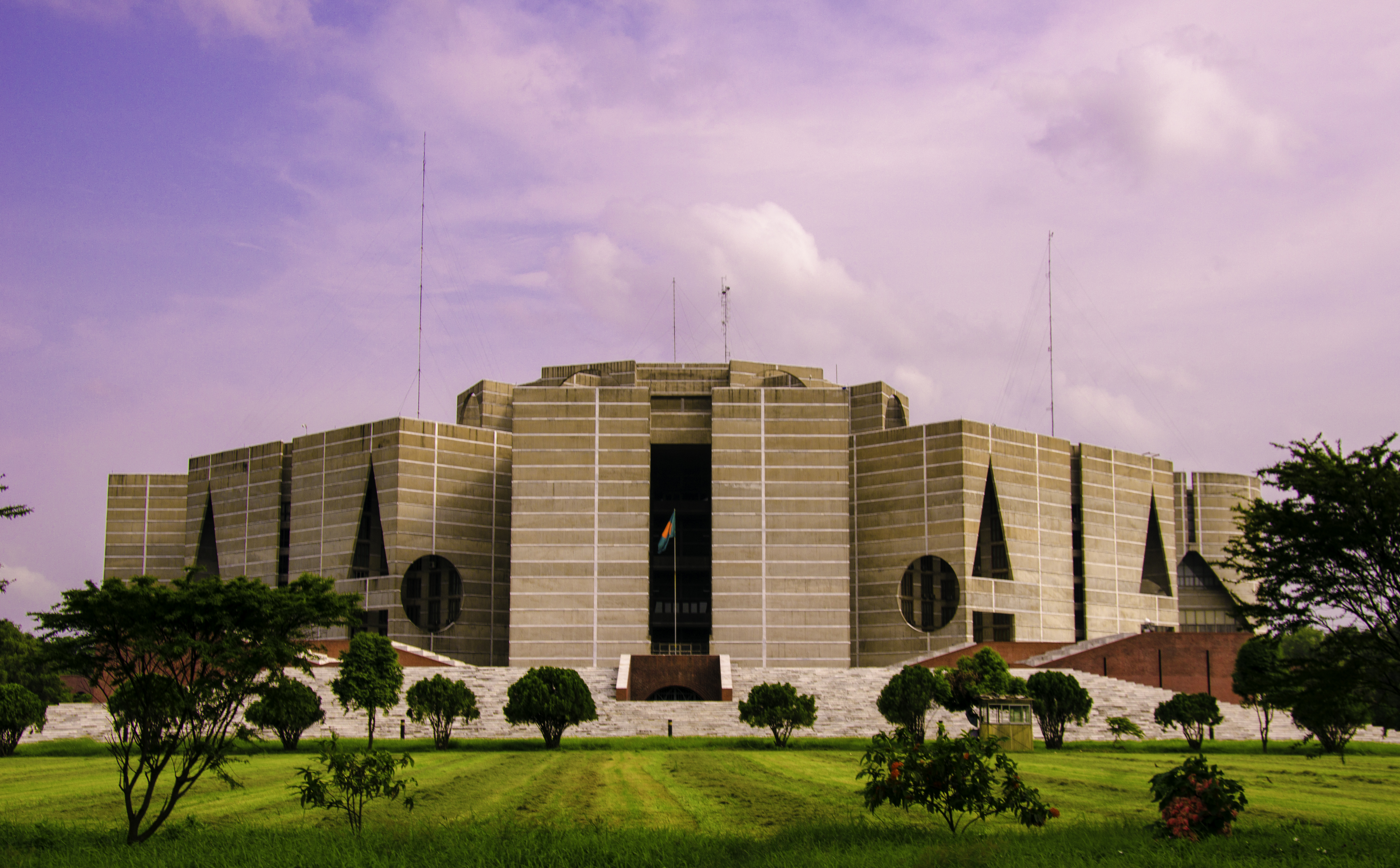 1982 · Dhaka▲
National Assembly, Dhaka
Concrete monument of geometric light (Bangladesh).
Legacy
Through his collaboration with B.V. Doshi and his impact on Indian institutional design, Kahn's ideas became part of the DNA of modern South Asian architecture. His buildings remain teaching tools — every arch, tie and shadow explains itself to anyone who studies it.